Serving Lafayette, CA and surrounding areas. (925) 298-0709
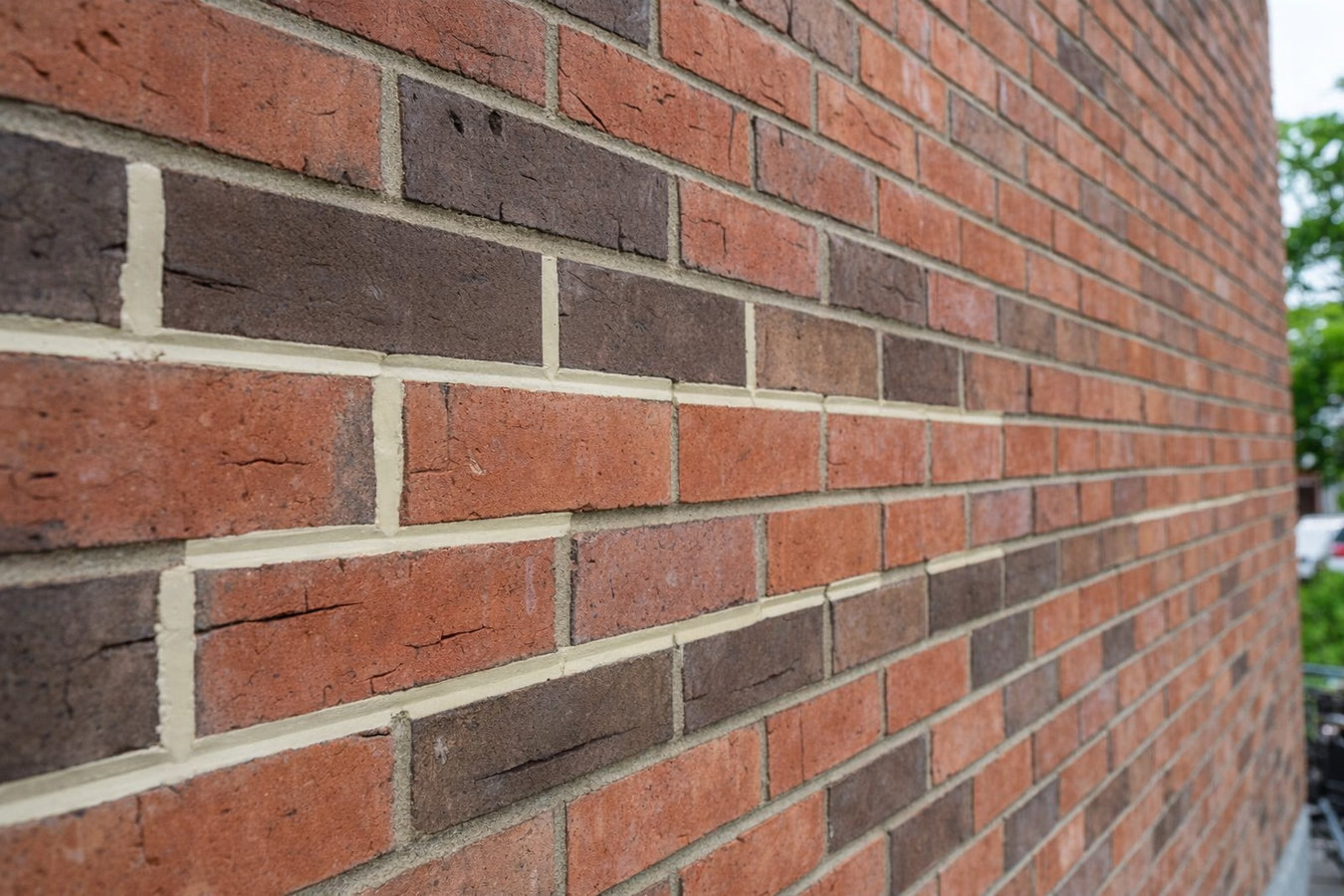
Crumbling mortar is more than an eyesore. Once the joints fail, water finds its way in - and Lafayette winters give it plenty of opportunities. We grind out the old mortar and repack it right, matched to your existing wall.
Tuckpointing in Lafayette means grinding out failed mortar joints to a depth of about three-quarters of an inch, then packing in fresh mortar matched to your existing wall - most chimneys or small wall sections take one day, while a full exterior wall on a two-story home may take three to five days.
Mortar is designed to be the softer, sacrificial layer in a masonry wall - it absorbs moisture and stress so the bricks themselves stay intact. In Lafayette, the wet-dry cycle hits mortar hard every year. Most mortar lasts 25 to 30 years under normal conditions, but mid-century homes in the Lamorinda area have often exceeded that window without any maintenance. If your home was built before 1980 and the masonry has never been repointed, the joints are likely overdue even if nothing looks alarming from the street.
Tuckpointing is closely related to brick repair - the difference is that tuckpointing addresses the mortar joints, while brick repair handles damaged units as well. We often assess both during the same visit.
Press your thumb firmly into a joint on your chimney, garden wall, or brick veneer. If the mortar feels soft, powdery, or flakes away with light pressure, it has lost its strength and is no longer keeping water out. This is the clearest sign tuckpointing is needed, and it is something you can check yourself in five minutes.
Chalky white streaks or patches on brick after Lafayette's rainy season are a sign that water is moving through the mortar and carrying mineral salts to the surface. This staining - called efflorescence - is harmless on its own, but it tells you moisture is getting into the wall where it should not be. Left alone, that moisture keeps working on the joints and eventually reaches the structure behind the brick.
Stand back and look at your masonry from a few feet away. If the joints look sunken, uneven, or if you can see daylight through gaps in a chimney or garden wall, the mortar has shrunk or fallen out. In Lafayette's climate, those gaps act as channels for winter rain to enter and cause damage to whatever is behind the brick face.
Many Lafayette homes have brick chimneys that were built or last serviced in the 1960s or 1970s. After 25 to 30 years of wet winters and dry summers - plus the cumulative effect of minor seismic activity in the East Bay - mortar joints on a chimney are likely to need attention even if the chimney looks intact from the ground.
We handle tuckpointing on chimneys, exterior brick walls, garden walls, retaining walls, and decorative stone. Every job starts with a close look at the condition of the joints and the bricks themselves - not just the surface. We match the mortar mix to the strength and flexibility of your existing masonry before we touch a single joint. Using mortar that is too hard for older brick forces stress into the units themselves and causes cracking over time, so the match matters as much as the workmanship.
For jobs involving chimney joints, we coordinate with our brick repair work and our brick pointing service when color-matched finishing is required on visible decorative surfaces. We do not subcontract this work - the same crew that does the grinding does the packing and the finishing.
Best for mid-century Lafayette homes whose chimney joints have not been serviced since original construction.
Suited for homes with brick veneer or solid brick walls showing efflorescence, gaps, or crumbling joints across a large surface area.
For decorative brick planters and low garden walls where mortar has deteriorated from ground moisture and seasonal rain.
Appropriate when damage is limited to a specific section and the surrounding joints are still in good condition.
Lafayette sits in the Lamorinda area of Contra Costa County and gets most of its rain between November and April, followed by a long dry summer. That wet-dry cycle is exactly what mortar dislikes most - it absorbs moisture in winter, expands slightly, then dries and contracts in summer. After enough cycles, it crumbles. Add the cumulative stress from the East Bay's seismic activity and the clay soils that shift under older foundations, and you have conditions that are genuinely harder on masonry than most of inland California. Homes built in the 1940s through 1970s - which make up a large share of Lafayette's housing stock - often have original mortar that was mixed on-site with variable quality and has had decades of those cycles to degrade.
The other local factor worth knowing is that many Lafayette neighborhoods fall under HOA oversight. Some associations require approval before exterior masonry work begins, particularly around mortar color matching. We can help you understand what your HOA is likely to require before we start. Homeowners in Orinda and Moraga face the same climate conditions and HOA considerations - we work across all three communities regularly.
Tell us what you have noticed - crumbling joints, white staining, a chimney that has not been looked at in years. We respond within 1 business day and schedule a free on-site estimate. You do not need to know the technical details - just describe what you can see and where.
The mason walks the area with you, checks joint depth and condition, looks at whether any bricks need replacing, and determines the right mortar color and mix to match your existing wall. This visit usually takes 30 to 60 minutes, and a written estimate follows within a day or two.
Before the crew arrives, move planters, patio furniture, or anything fragile away from the walls being worked on. The crew grinds out old mortar - the noisiest part - then packs in fresh mortar by hand, smoothed flush with the brick face. Depending on scope, work takes one to five days.
Fresh mortar needs 24 to 48 hours before it can get wet, and up to 28 days to reach full strength. We walk the finished work with you before leaving - check any spots that seem uneven or were missed. Scheduling in Lafayette's dry season makes the curing window easy to manage.
Free estimate, written quote, no obligation. We respond within 1 business day.
(925) 298-0709We assess the age and type of your existing masonry before choosing a mix - not after. Using mortar that is too hard for older brick forces stress into the units and causes cracking. The match is how we make sure new joints blend in and last, not just look good the day we leave.
We have worked on chimneys, garden walls, and brick veneer across Lafayette neighborhoods since 2019. That means we know what the local climate does to mortar here, and we know the HOA requirements in the communities we serve. Local experience changes how we approach every estimate.
In California, any contractor doing masonry work for more than $500 must hold a valid state license. We are licensed, bonded, and insured - you can verify our license on the California Contractors State License Board website at any time. That license protects you, not just us.
We give you a written estimate before any work begins and we stick to it. If we find something unexpected during the job, we stop and talk to you before proceeding. The Brick Industry Association sets the technical standards we work from - so you know our recommendations come from established practice, not guesswork.
Tuckpointing is one of the most cost-effective ways to protect a masonry structure, but only when the mortar is matched correctly and the joints are prepared properly before filling. Those two details separate work that lasts 25 years from work that needs to be redone in five.
When mortar damage has gone far enough that individual bricks are spalling or cracked, we handle the full repair - replacing damaged units and restoring the wall.
Learn MorePrecision joint finishing for masonry that needs careful color-matched pointing to blend repairs seamlessly into the existing wall surface.
Learn MoreSpring and summer slots fill quickly - lock in your date before the next rainy season puts your walls at risk.