Serving Lafayette, CA and surrounding areas. (925) 298-0709
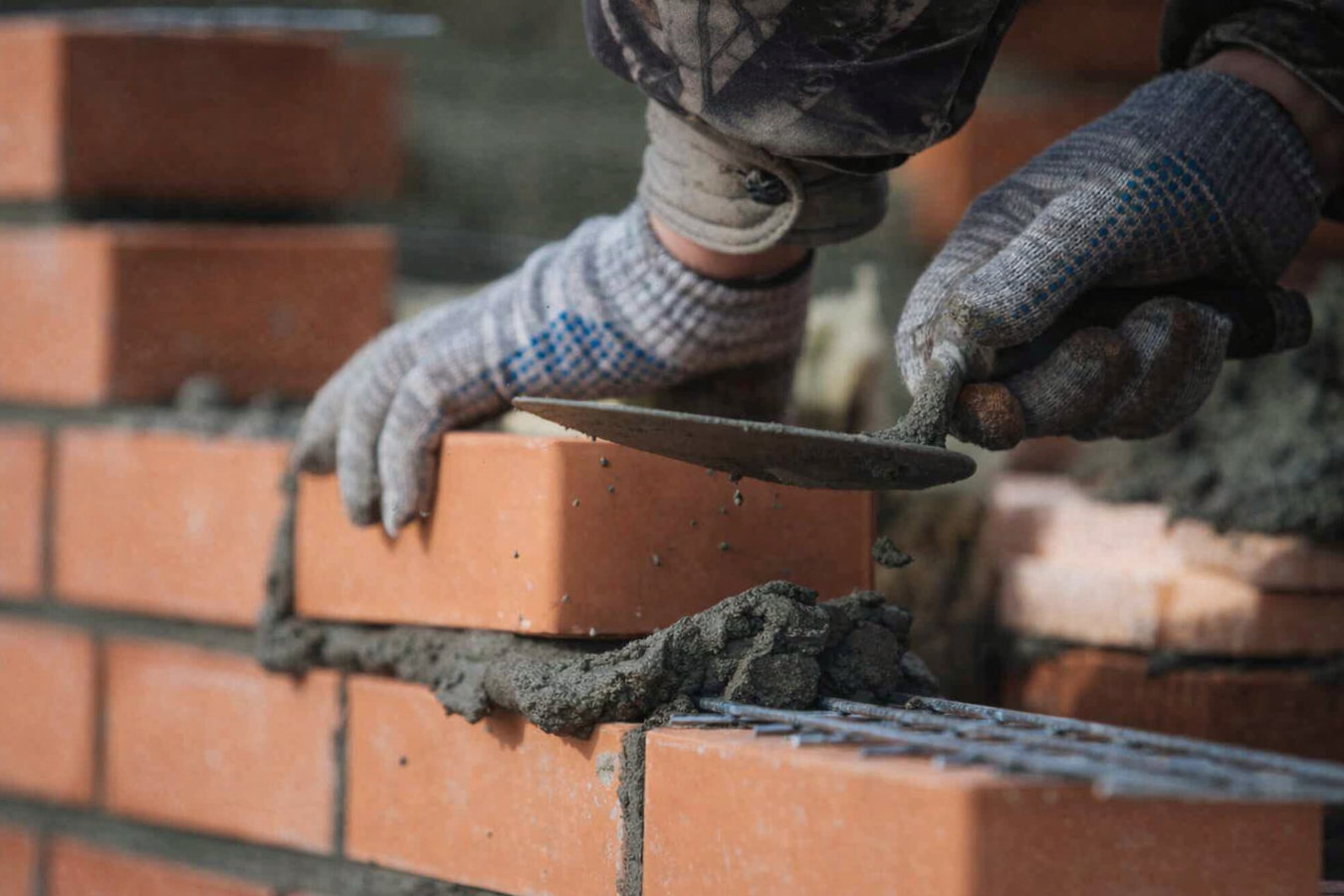
Crumbling mortar, spalling bricks, and stair-step cracks all have one thing in common - they get worse every winter if you wait. We diagnose the cause, match your existing masonry, and fix it so the repair lasts.
In Lafayette, brick repair covers repointing deteriorated mortar joints, patching or replacing spalled and cracked bricks, and repairing chimney crowns and caps - most jobs take one to three days on-site, and most homes only need targeted repairs rather than full wall replacement.
The mortar between bricks is designed to be the softer, sacrificial layer - it wears out first so the bricks themselves stay intact. In Lafayette, the wet winters followed by dry summers put that mortar through a punishing cycle every year, and mid-century homes that have never been repointed are often well past the end of their mortar's natural lifespan. Clay-rich soils that shift with the seasons add another layer of stress that shows up in cracked joints and stair-step patterns in the brickwork.
Brick repair often pairs with tuckpointing when the damage is spread across a larger wall section - we assess the full picture during the estimate and recommend the approach that actually fits what we find.
Run your finger along the joints between bricks on your chimney, planter, or wall. If the mortar feels soft, crumbles easily, or has pulled back noticeably from the brick face, it is no longer keeping water out. This is the most common sign that repointing is overdue, and it is especially common on Lafayette homes built before 1980.
Diagonal cracks that follow a stair-step pattern up a brick wall are a classic sign that the ground beneath has shifted. Given Lafayette's clay-heavy soils, this kind of movement is not unusual - but it means the repair needs a mason who will assess whether the shifting has stopped before patching. Ignoring stair-step cracks tends to make them worse over time.
If the surface of individual bricks is breaking away in thin layers or chunks - called spalling - it usually means water soaked into bricks during the rainy season and the surface dried out rapidly in the summer heat. Spalling bricks need attention promptly. Once the protective face of a brick is gone, water gets in faster and the damage accelerates.
Chalky white residue - called efflorescence - forms when water moves through brick or mortar and carries dissolved salts to the surface. It is a reliable sign that water is getting into your masonry somewhere. In Lafayette, it often shows up after the first heavy rains of the season, telling you that mortar joints or brick surfaces need attention before the next wet winter.
We handle the full range of brick repair work - from repointing deteriorated mortar joints to replacing individual spalled or cracked brick units to repairing the chimney crown and cap that takes the worst of the weather. Every repair starts with a close look at the underlying cause. If the soil beneath a wall has been shifting, we assess whether it has stabilized before we touch the brickwork. A repair built over an unstable base is money wasted - we tell you that honestly before we start, not after.
For wall sections needing systematic mortar replacement, we also offer tuckpointing as a dedicated service when the scope calls for it. We match mortar color and strength to your existing masonry before any work begins - using a mix that is too hard for older brick can cause the units to crack over time, so the match matters as much as the craft. The National Park Service preservation guidelines for repointing historic masonry inform how we approach mortar compatibility on older homes.
Best for Lafayette homes where joints are deteriorated across a chimney, wall section, or planter but the bricks themselves are still in good shape.
Suited for homes where individual bricks are chipping or flaking - we match replacement units as closely as possible to the original.
For chimneys where the concrete cap is cracked or missing pieces - letting rain run straight into the chimney structure and break down mortar from the inside.
Appropriate after confirming that the underlying soil movement has stabilized - we repair the joints and assess whether any structural follow-up is needed.
Much of Lafayette's residential housing was built between the 1950s and 1970s, and many of those homes feature brick chimneys, planters, and retaining walls that are now 50 to 70 years old. Mortar from that era was sometimes mixed on-site with variable quality, and it has had decades of wet winters to degrade. The clay-heavy soils common in Contra Costa County expand when wet and contract when dry, and that movement creates the stair-step cracks that Lafayette homeowners notice appearing in brick walls - often after an especially wet winter or a prolonged dry stretch. The Hayward Fault runs just a few miles west of Lafayette, and cumulative small ground movements add to the stress on mortar joints over the years.
Knowing the local soil conditions and the age of the housing stock changes how we approach every estimate in Lafayette. Homeowners in Pleasant Hill and Concord deal with the same clay soils and mid-century construction challenges, and we work across all of these communities on a regular basis.
Call or message us with what you are seeing - crumbling mortar, cracks, white streaks, chipping bricks. Photos help but are not required. We respond within 1 business day and schedule a free on-site assessment. You do not need to know the technical cause - just describe what you notice and where.
The mason comes out and looks at the full extent of the damage - not just the obvious spots. We check the mortar depth, assess whether any bricks need replacing, and look for signs of underlying soil movement that could affect the repair. This visit is free and takes 20 to 45 minutes.
After the assessment you receive a written estimate that breaks down what is included and what is not. If the job involves sourcing matching bricks for your home's era, we may need a day or two to price that out. Ask us anything before you sign - a clear estimate protects both of you.
On work day the crew sets up, protects nearby surfaces, grinds out old mortar to a consistent depth, and packs in fresh material matched to your wall. Bricks being replaced are carefully set in place. Before leaving we walk the finished repair with you and review the curing window - typically 24 to 48 hours before the area should get wet.
Free estimate, written quote, no obligation. We respond within 1 business day.
(925) 298-0709Lafayette's clay soils shift with every wet season, and repairing cracks over a still-moving foundation is money wasted. Before we touch a single joint, we assess whether the underlying soil movement has stabilized. If it has not, we tell you honestly what needs to happen first - so you are not paying for a repair that will crack again in six months.
Using mortar that is too hard for older brick forces stress into the units and causes them to crack over time. We assess the age and type of your bricks before choosing a mix - this is one of the clearest differences between workmanship that lasts and workmanship that looks fine for a year. The Brick Industry Association technical guidelines inform how we approach compatibility on every job.
In California, any contractor doing masonry work for more than $500 must hold a valid license from the California Contractors State License Board. We are licensed, bonded, and insured - look us up on the CSLB website before you hire us. That license is your protection if anything goes wrong, and it means we have passed the testing and carry the required insurance.
We give you a written estimate before any work begins and we stick to it. If we find something unexpected during the job - a damaged chimney crown, a deeper crack than the surface showed - we stop and talk to you before proceeding. You stay in control of your budget the whole time.
Good brick repair is nearly invisible when done right - same color, same texture, same joint profile as the wall around it. That result only comes from matching materials carefully and preparing the surface properly before the new mortar goes in.
When mortar joints across a larger wall section need to be ground out and repacked, tuckpointing is the systematic approach - matched to your existing masonry from the start.
Learn MoreIf your property needs more than masonry repair - new paver installation for driveways and entries that hold up through Lafayette's wet winters.
Learn MoreLafayette's wet season arrives fast - lock in your repair date now and protect your home before the first storms hit.