Serving Lafayette, CA and surrounding areas. (925) 298-0709
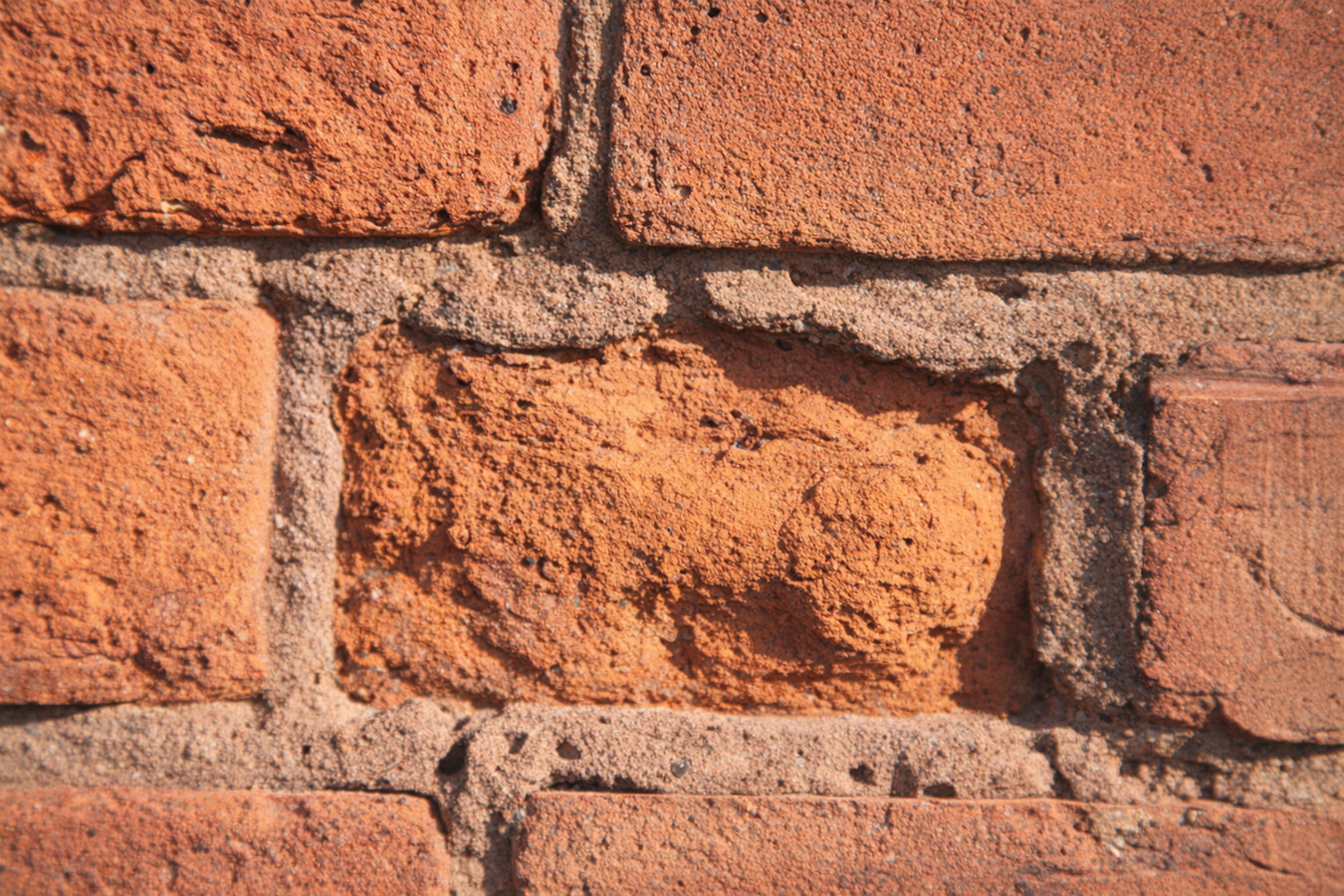
Crumbling mortar joints let water into your brick chimney or wall every wet season - and in Lafayette that damage compounds fast. We remove the old mortar properly, pack in fresh material by hand, and match the color so the repair blends in rather than standing out.
Brick pointing in Lafayette is the process of removing old, crumbling mortar from the joints between bricks and replacing it with fresh mortar - a small section on a chimney or wall can be done in one to two days, and a larger chimney repoint or full exterior wall typically takes three to five days depending on size and condition.
The mortar between your bricks is softer than the bricks themselves on purpose. It acts as a flexible layer that absorbs movement and moisture so the bricks do not crack. Over 25 to 30 years, Lafayette's wet winters and dry summers break that material down gradually. When mortar starts to crumble or pull away from the brick face, it is not a cosmetic problem - it is a water entry point that gets worse every rainy season until you address it.
Many Lafayette homes with brick chimneys were built in the 1950s through 1970s and have never had the mortar replaced. If yours is from that era, a close inspection - not just a glance from the driveway - is worth doing. If you are seeing more than just mortar wear and the bricks themselves have cracking or spalling, that is a sign the problem has progressed further and may require foundation repair or a more comprehensive masonry assessment in addition to repointing.
Stand close to your chimney or brick wall and press a key or the tip of a screwdriver into a mortar joint. Healthy mortar is hard and will not give. If the mortar crumbles, flakes, or comes away in small pieces with light pressure, it is past its useful life and needs to be replaced. This is the single most reliable test a homeowner can do without any tools or expertise.
If you notice chalky white streaks or patches on your brick after Lafayette's rainy season, water is moving through the wall and carrying dissolved minerals to the surface. Masons call this efflorescence. It is not structural damage itself, but it is a reliable early warning sign that water is getting in somewhere it should not - and deteriorated mortar joints are the most common entry point.
Walk around your home and look at the lines between bricks on your chimney, exterior walls, or garden walls. If you can see gaps, cracks wider than a hairline, or places where the mortar has pulled away from the brick edge, water is already getting in. In Lafayette's wet winters, even a small gap can allow enough moisture into the wall to cause damage over a single rainy season.
If individual bricks are starting to flake on their surface or you are finding small chips of brick on the ground near a wall, water has already been getting behind the brick face. This is a more advanced stage of the same problem that starts with deteriorated mortar joints. Catching it now means you may still be able to repoint and stabilize the wall - waiting longer may mean replacing individual bricks as well.
We handle brick pointing for chimneys, exterior brick walls, garden walls, and any masonry structure where the mortar joints need to be restored. The process is consistent regardless of where the work is: old mortar is removed to the right depth using a grinder or hand tools, fresh mortar is packed in by hand and tooled to match the original joint profile, and the color is mixed to approximate the existing material so the repair blends in. We do not apply new mortar on top of old - that shortcut fails within a year or two and we will not do it. If your project also involves brick damage beyond the joints, we can assess whether masonry restoration work is needed alongside the repointing.
For Lafayette homes built before 1980, a chimney that has never been repointed is almost certainly overdue. Mortar from that era is well past its 25 to 30 year service life. We can assess the full chimney from close up - not just from the driveway - and give you an honest picture of what needs to be done and what can wait.
Best suited for Lafayette homes with original brick chimneys that are 40 or more years old - the most common application in this area, given the mid-century housing stock.
For brick exterior walls where mortar joints are crumbling, pulling away, or showing visible gaps - keeps the wall weathertight and prevents water from reaching the structure behind it.
Right for freestanding garden walls or retaining walls where mortar has deteriorated due to age, Lafayette's wet-dry cycle, or seasonal ground movement from clay soil beneath the structure.
Appropriate when only a section of a wall or chimney needs attention - an efficient and cost-effective option when the majority of the masonry is still in good condition.
Lafayette's Mediterranean climate is the main reason mortar joints deteriorate faster here than in areas with more stable weather. The rainy season from November through March soaks brick and mortar repeatedly. Then five to six months of dry summer heat pulls moisture out again. That cycle - repeated every year - gradually breaks down mortar bonds in a way that a mild, consistent climate does not. For homes built in the 1950s and 1960s with original brick chimneys and walls, this means that 60-plus years of wet-dry cycling have very likely done meaningful damage to joints that have never been replaced.
Lafayette's clay soils add a second layer of stress. The hills and flatlands in the Lamorinda area sit on expansive clay that swells with winter rain and shrinks in summer. For freestanding walls and chimneys, that subtle seasonal ground movement can reopen repaired joints over time - which is why a mason familiar with local conditions looks at the pattern of cracking, not just the cracking itself. Homeowners in nearby Walnut Creek and Pleasant Hill deal with the same conditions, and our work across those areas means we know what to look for before we touch a single joint.
Reach out by phone or through our contact form. We will respond within one business day. We will ask a few basic questions - what structure needs work, whether you have photos, and any specific damage you have noticed.
We visit your property and look closely at the mortar joints in person - often getting up on a ladder to inspect a chimney properly. We check how deep the deterioration goes, whether any bricks need replacing, and whether there are signs of structural movement. This visit usually takes 20 to 45 minutes.
After the visit you receive a written estimate with scope and price. We will also flag any HOA review that may apply. Spring through early fall is our busiest window, so lead times can run two to four weeks during peak months.
The crew sets up, removes old mortar by grinding and chipping, then packs in fresh mortar and tools each joint by hand. Most residential jobs finish in one to three days. Fresh mortar needs about a month to reach full hardness - we walk you through the curing steps before we leave.
Free on-site estimate - we come to your property, take a close look at the work, and give you a written quote you can compare. No obligation to book.
(925) 298-0709The most common shortcut in brick pointing is applying new mortar directly on top of old without removing it first. It looks correct for a season or two and then fails completely. We always grind or chisel out the old material to the proper depth before packing in new mortar. That is not optional - it is what makes the repair last 25 to 30 years instead of two.
In a Lafayette neighborhood where homes are well-maintained, fresh mortar that is noticeably lighter or darker than the original stands out and can trigger HOA questions. We mix mortar to approximate the existing color and test on a small section before committing to the full job. The finished repair should blend in - not announce itself from the sidewalk.
California requires a C-29 masonry license through the Contractors State License Board for this work. Beyond licensing, we know Lafayette's mid-century housing stock - the chimney profiles, the brick types, and the soil conditions that affect how masonry behaves in this specific area. That local knowledge changes how we assess and approach every job.
Some contractors see every inspection as an opportunity to sell a full chimney rebuild. We do not work that way. If spot repointing will hold, we tell you. If the deterioration is deep enough that more work is needed, we explain why and show you what we are seeing. You leave the estimate visit with a clear picture, not a bigger invoice than you expected.
The Brick Industry Association and the National Park Service Preservation Briefs both document the standards for proper repointing - mortar removal depth, mix selection, and joint tooling. Those standards guide how we do this work, not a desire to move quickly to the next job.
If deteriorating masonry joints have allowed water to reach your foundation over time, foundation repair addresses the structural damage that brick pointing alone cannot fix.
Learn MoreWhen a chimney, wall, or exterior masonry feature needs more than repointing - including brick replacement, staining removal, or rebuilding a damaged section - masonry restoration covers the full scope.
Learn MoreLafayette's dry season fills up fast - call today or request a free estimate online to lock in your spot and get your masonry sealed before the fall rains.