Serving Lafayette, CA and surrounding areas. (925) 298-0709
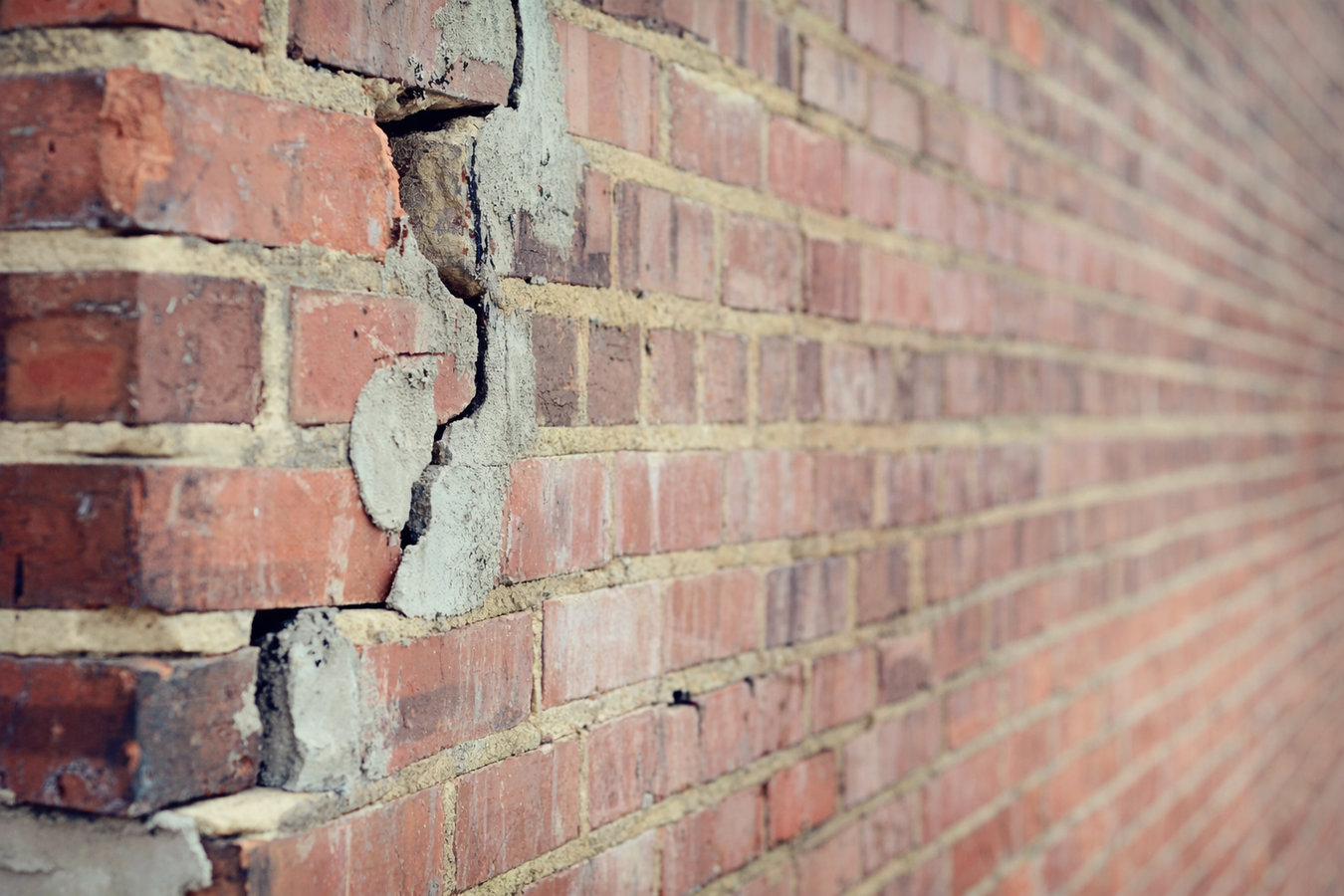
Lafayette's clay soil shifts with every wet season. When it pushes or pulls your foundation, your whole house feels it. We diagnose the cause and fix it the right way - permits included.
Foundation repair in Lafayette means stabilizing a home that has shifted, settled, or cracked due to the area's expansive clay soil - most jobs involve piering or slabjacking, and typically take one to three days on-site once permits are in place.
Lafayette's Diablo Range foothills are known for clay-heavy soil that swells in wet winters and shrinks in dry summers. That annual cycle puts real stress on your foundation, and older hillside homes built in the 1950s through 1970s are especially vulnerable. If you're seeing sticking doors, diagonal wall cracks, or sloping floors, those symptoms point to movement that is worth addressing now.
Many homeowners also find that foundation issues travel through the structure - a shifting foundation can cause problems that look like a chimney repair issue or a cracked block wall. Treating the root cause first matters.
If a door that swung freely now drags on the floor or won't latch without force, the frame around it has likely shifted. In Lafayette, this often appears after a wet winter when clay soils have pushed the foundation out of alignment. It's an easy symptom to dismiss, but it's one of the clearest early warnings that something is moving beneath the house.
Diagonal cracks running from the corners of windows or doors toward the ceiling signal uneven foundation settlement. In Lafayette's older hillside homes, these cracks often worsen after an especially wet or dry season. A crack wide enough to fit a quarter, or one that keeps growing, deserves a professional look.
Walk slowly through your home and notice whether the floor feels level. A floor that slopes toward one wall, or has a soft spot that wasn't there before, can mean the foundation has settled or a support post has shifted. This is especially common in Lafayette homes built on pier-and-beam foundations from the mid-20th century.
Lafayette's wet winters mean drainage around your home matters. If water collects against the base of your house after a rainstorm rather than flowing away from it, that water soaks into clay soil right where you least want it. Over time, this saturates the ground, increases pressure on foundation walls, and accelerates cracking and settlement.
We handle the full range of residential foundation repair work in Lafayette and surrounding Contra Costa County cities. The two approaches you'll hear about most often are piering and slabjacking. Piering drives steel or concrete supports deep into stable soil beneath your home to stop further sinking. Slabjacking pumps material under a sunken concrete slab to lift it back up. Which method fits your situation depends on what caused the problem, so we diagnose before we recommend - never the other way around.
Beyond the primary repair, we address the drainage and soil conditions that caused the movement in the first place. We also work closely with foundation block wall installation when the perimeter structure needs to be rebuilt or reinforced alongside the repair. Every job we take on in Lafayette includes permit management through Contra Costa County from start to finish.
Best for homes on hillside lots or where the foundation has sunk unevenly due to clay soil movement or soil creep.
Suited for homes with concrete slab foundations where sections have sunken but the soil underneath is recoverable.
Appropriate for homes showing early signs of movement where the damage is contained and the root cause has been addressed.
Critical for Lafayette homes where water pooling against the foundation is the primary driver of movement.
Lafayette's location in the Diablo Range foothills means almost every property sits on clay-heavy soil that is in constant motion. Wet winters saturate the clay and cause it to swell. Dry summers pull that moisture back out and the soil contracts. Your foundation absorbs that stress year after year. Add seismic proximity to the Hayward and Calaveras faults, and you have conditions that demand a repair approach designed specifically for this area - not a one-size-fits-all fix borrowed from a less demanding climate.
The other factor that sets Lafayette apart is its housing stock. Many homes in neighborhoods like Burton Valley and the hillside streets near the Lafayette Reservoir were built before 1980, often on sloped lots that compound the drainage challenges. Homeowners in Walnut Creek and Orinda face similar conditions, and we work across all of these communities regularly.
We ask you what you're seeing - sticking doors, cracks, sloping floors - and schedule a time to look at the foundation in person. We respond within 1 business day. The initial visit is free and focuses on diagnosis, not selling.
We walk the perimeter, check the interior for signs of movement, and measure any floor slope. You receive a written estimate explaining what we found, what we recommend, and why - not just a number.
For structural foundation work in Lafayette, a building permit is required. We handle all paperwork. Permit approval typically takes one to three weeks - we factor this into your timeline upfront so there are no surprises.
Most jobs take one to three days on-site. A county building inspector verifies the completed work. We leave you with the permit, the repair documentation, and your transferable warranty - keep these with your home records.
We respond within 1 business day. There is no obligation after the assessment - you get a written estimate and decide from there. After you submit, someone from our office will call to schedule a free on-site evaluation of your foundation.
(925) 298-0709Every structural foundation repair we do in Lafayette goes through the Contra Costa County permit process. We handle the paperwork, schedule the inspection, and give you documentation when the job passes. That paper trail protects your home's value and matters when you sell.
Our repairs come with a warranty that transfers to new owners if you sell. Buyers' inspectors look hard at foundations in Lafayette - having documented, warranted repair work is a real selling point, not just a comfort for today.
Sloped lots, soil creep, and drainage patterns on hillside properties behave differently than flat-lot work. We have worked on homes throughout Lafayette's hills and design repairs that account for the way each specific lot behaves.
You will not be handed a large bill without understanding what you paid for. We explain every finding from the assessment in plain language and walk you through each line of the estimate before you sign anything.
Lafayette homeowners have specific challenges that contractors working primarily in flat, low-seismic areas simply don't encounter. We built our process around the realities of working here - the clay soil, the hillside lots, the county permit timeline, and the homeowners who plan to stay in their homes for decades. For more on building codes relevant to structural work in California, see the California Department of Housing and Community Development.
Cracked mortar or a failing chimney liner can let water into your home - we restore the full chimney system before the next rainy season.
Learn MoreWhen your property needs a new foundation-level block wall, we engineer and install it to handle Lafayette's clay soil and seismic conditions.
Learn MoreFoundation problems in Lafayette don't fix themselves - each wet season adds more stress to a structure that's already moving. Call us today for a free on-site assessment.